
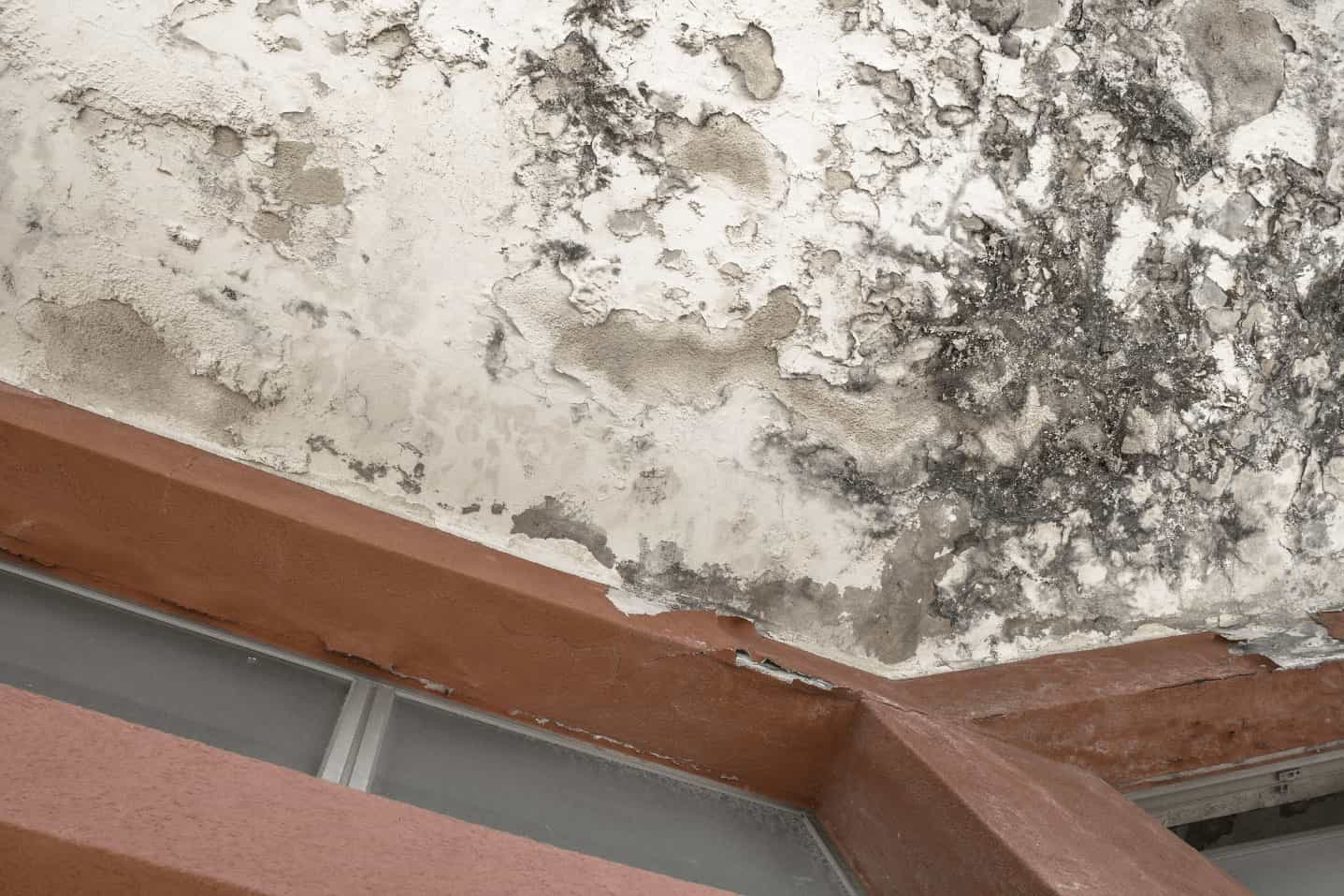
Top tips on mould repair that is making you miserable
In 2015 to 2017 it was estimated that 4% of 23 million households in England had damp problems and needed mould repair.
These figures were according to a government survey, you can find out more here.
What is damp?
In the UK there are two main types of damp that are causing mould in homes and premises.
– Rising damp: This is the slow upward movement of water in the lower sections of walls and other ground-supported structures.
– Penetrating damp: This is where water penetrates the outside of a building. This could be through walls, roofs or windows and appears inside, as well as serious condensation or mould in any room.
Why is damp dangerous to our health?
Inhaling or touching mould spores can cause a reaction, such as a runny nose, red eyes or skin rashes. These reactions are caused by the allergens, irritants and sometimes toxic substances mould produces. In some cases, mould may trigger asthma attacks.
Mouldy and damp environments are more sensitive to some people. These include:
- Babies and children
- Elderly people
- Those with existing skin problems, such as eczema.
- Those with respiratory problems, such as asthma, and
- People with a weakened immune system, such as those having chemotherapy.
What causes damp inside my property?
In short, excess moisture is the cause of damp and mould in properties. Rising damp, leaking pipes or rain getting in because of damage to the roof or around window frame can contribute to moisture in buildings.
Condensation also plays a part in excess moisture in properties. Condensation forms when the air indoors can’t hold any more moisture. Cooking, showering, drying clothes indoors and inadequate ventilation can all cause excess moisture.
How do I start to mould repair?
First of all, you can help prevent the build-up of condensation by:
- Putting lids on saucepans.
- Drying washing outside.
- Opening the bedroom window for 15 minutes each morning.
- Making sure your home is well insulated.
What next?
Once you’ve worked out what’s causing the moisture in your home and taken steps to reduce it, you can start treating the mould. You may be able to do this yourself, or you may need to get a professional to remove it.
Only remove mould yourself if it’s caused by condensation and covers an area less than 1 metre squared. Don’t try mould repair yourself if it’s caused by sewage or other contaminated water.
You need to protect yourself from mould spores by wearing goggles, long rubber gloves and a mask that covers your nose and mouth. Open the windows, but keep doors closed to prevent spores spreading to other areas of the house. Throw away any soft toys, clothes or soft furnishings that are mouldy.
To wipe mould off walls use a rag dipped in water with a squirt of washing up liquid. Afterwards, use a dry rag to dry off the wall. Ensure you’ve removed any excess moisture and then put all the cleaning cloths in a plastic bag and dispose of it.
If you are worried about damp or mould in your property please contact Rainbow Derbyshire.